Breakthrough in Cholesterol Management
A groundbreaking treatment using tiny DNA-based molecules has been shown to reduce low-density lipoprotein (LDL) cholesterol—the so-called 'bad' cholesterol—by nearly 50% without relying on statins. The approach targets the PCSK9 protein, which normally prevents the liver from clearing LDL from the bloodstream.
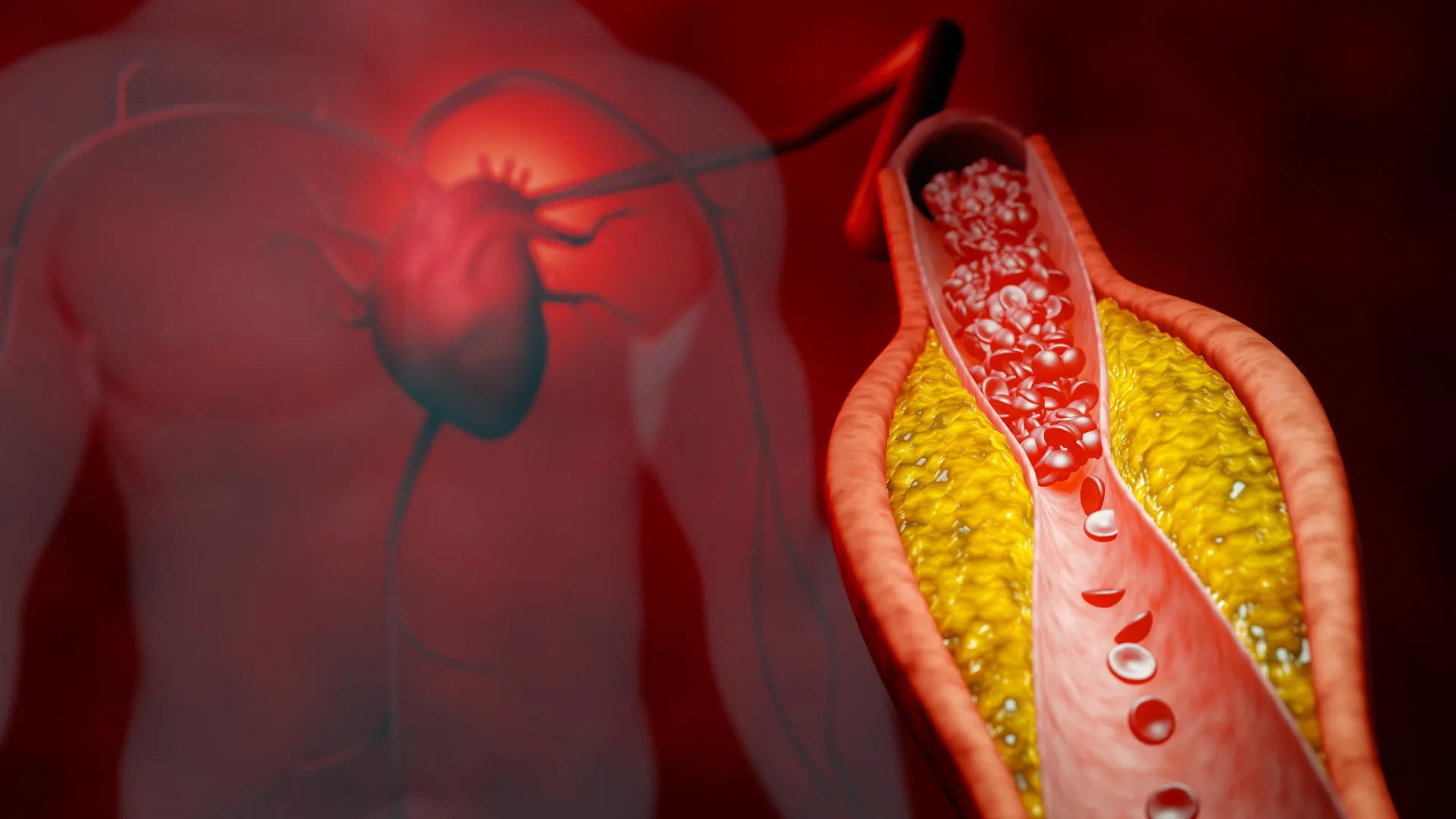
By shutting down PCSK9, the therapy allows liver cells to absorb more cholesterol, preventing artery-clogging buildup that leads to heart attacks and strokes. Researchers announced the findings in a press release today, calling it a potential paradigm shift for patients who cannot tolerate statins.
Expert Reaction
“This is a highly precise molecular scalpel that directly addresses the root cause of high LDL,” said Dr. Maria Chen, lead investigator at the Cardiovascular Innovation Lab. “We’re essentially reprogramming the liver to clean up cholesterol more efficiently.”
Dr. James O’Brien, a cardiologist at St. Jude’s Medical Center not involved in the study, added: “For patients with statin intolerance or genetic conditions like familial hypercholesterolemia, this could be life-changing. The efficacy rivals that of injectable PCSK9 inhibitors but with a different delivery mechanism.”
Background
Statins have been the cornerstone of cholesterol treatment for decades, reducing LDL by 30–50% on average. However, up to 20% of patients experience muscle pain, liver issues, or other side effects that limit use.
PCSK9 inhibitors, such as alirocumab and evolocumab, are already on the market as injectable biologics, but they are expensive and require regular shots. The new DNA-based therapy—essentially small interfering RNA (siRNA) molecules—offers a synthetic biology approach that could be cheaper and more convenient.
The therapy works by delivering short DNA sequences that bind to the messenger RNA responsible for producing PCSK9. This silences the gene, drastically lowering PCSK9 levels and allowing LDL receptors on liver cells to remain active.
What This Means
If approved, this treatment could provide a powerful option for the millions of people worldwide who struggle to control their cholesterol with existing medications. It may also reduce the need for combination therapy with statins, simplifying regimens.
“We’re not just lowering numbers; we’re potentially reducing cardiovascular events by a similar magnitude as statins,” noted Dr. Chen. Clinical trials are underway to confirm long-term safety and efficacy, but early results show no serious adverse effects.
The next step will be larger Phase III trials, with a possible FDA submission within three to five years. For now, patients are advised to continue current treatments and consult their doctors about emerging options.
Editor's note: This report is based on a press release from the Cardiovascular Innovation Lab and commentary from independent experts. The therapy is not yet approved for clinical use.