Australia's energy landscape is undergoing a significant transformation as the nation phases out coal-fired power and embraces new electricity consumers like data centres. In a bold move, EnergyAustralia has announced plans to construct the country's largest-ever gas-fired power plant. This facility aims to bridge a looming supply gap created by retiring coal plants and surging demand from digital infrastructure. Below, we explore key questions about this development and its implications for Australia's energy future.
Why is EnergyAustralia building the biggest gas plant in Australia?
EnergyAustralia is responding to a critical supply shortage driven by two major forces: the retirement of ageing coal-fired power stations and the explosive growth of energy-hungry data centres. As coal plants close, baseload power is being removed from the grid. At the same time, data centres – essential for cloud computing, streaming, and AI – require huge amounts of continuous electricity. The new gas plant is designed to fill this 'gap of gigawatts', providing reliable, on-demand power to stabilise the grid while renewable sources like wind and solar are being ramped up. Gas, though still a fossil fuel, offers a faster and more flexible alternative to coal, making it a practical short-term solution to meet immediate demand.

What exactly is the 'gap of gigawatts' mentioned in the plan?
The term 'gap of gigawatts' refers to the difference between the electricity supply that will be lost when coal plants retire and the new demand from sources like data centres, plus growth in electrification. Australia's coal fleet is ageing and scheduled for closure over the next decade, potentially removing several gigawatts of capacity. Meanwhile, data centre electricity consumption is expected to skyrocket, adding significant new load. Without new generation, the grid would face shortfalls, risking blackouts. EnergyAustralia's plant is meant to provide a large, dispatchable source of power – up to several hundred megawatts – to plug this looming deficit. The exact size and timeline will be detailed in the company's formal proposal.
How does this gas plant fit into Australia's renewable energy transition?
While Australia is aggressively pursuing renewable energy, the transition is not instantaneous. Solar and wind are intermittent – they don't generate power 24/7 without storage. The new gas plant is intended to act as a 'bridge' fuel, providing firming capacity to back up renewables. It can ramp up quickly when the sun isn't shining or wind isn't blowing, ensuring grid reliability. However, environmental groups argue that building a large new gas plant could lock in fossil fuel emissions for decades, potentially undermining climate goals. The plant may eventually need to be retrofitted with carbon capture or be replaced by green hydrogen or battery storage to align with net-zero targets.
What impact will data centres have on Australia's electricity demand?
Data centres are among the fastest-growing electricity consumers in Australia. With the rise of remote work, streaming services, artificial intelligence, and cloud storage, these facilities require massive amounts of power for servers, cooling, and networking. Some projections suggest data centre demand could increase by 200–300% over the next five to ten years, concentrated in cities like Sydney, Melbourne, and Brisbane. This growth is a key driver behind EnergyAustralia's gas plant proposal. Without additional generation capacity, data centres could strain local grids, leading to higher prices or supply constraints. The plant is strategically designed to serve these new industrial loads, potentially locating near major data centre hubs.
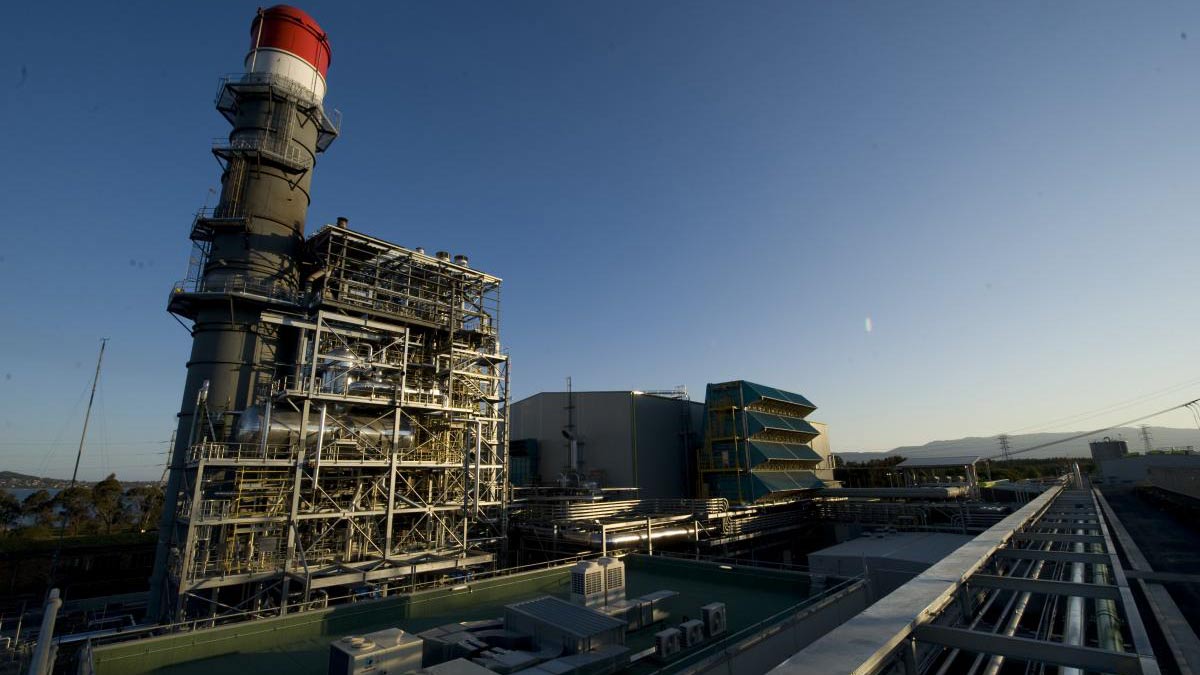
When and where will Australia's biggest gas plant be built?
EnergyAustralia has not yet disclosed a specific location or exact construction timeline, but the company states it will be the nation's largest gas-fired power station. Typically, such plants take several years to plan and build – likely targeting operation in the late 2020s or early 2030s. The site would need access to gas pipelines, transmission lines, and possibly proximity to data centre clusters. The project will also require environmental approvals and community consultation. As part of Australia's energy transition, the plant may be designed to eventually run on hydrogen or be equipped with carbon capture technology, but initial plans focus on natural gas.
What has been the reaction to this gas plant proposal?
The announcement has drawn mixed reactions. EnergyAustralia frames it as a pragmatic solution to ensure reliable power during the transition. Industry groups representing data centres and large energy users likely welcome the move, as it provides certainty for investment. However, climate activists and some renewable energy advocates criticise the plan, arguing it locks in fossil fuel emissions at a time when science calls for rapid decarbonisation. They point to the falling costs of solar, wind, and batteries as better long-term alternatives. The proposal has also reignited debate about Australia's energy policy, with calls for stronger incentives for renewables and storage, and tougher regulations on new gas developments.
Could batteries or other technologies replace the need for a new gas plant?
In theory, large-scale batteries, pumped hydro, and demand response programs could provide the firming capacity needed to replace a gas plant. However, current battery durations are typically 2–4 hours, which may not suffice for extended periods of low renewable generation (e.g., several cloudy days). Green hydrogen and advanced compressed air storage are emerging but are not yet commercially viable at the scale required. EnergyAustralia argues that gas remains the most cost-effective and proven technology to fill the 'gap of gigawatts' in the near term. Over time, as storage costs fall and hydrogen infrastructure grows, the plant could be retrofitted to run on cleaner fuels, but that remains uncertain.