Lawmakers Rely on Unsettled Science to Ban Youth Social Media Access
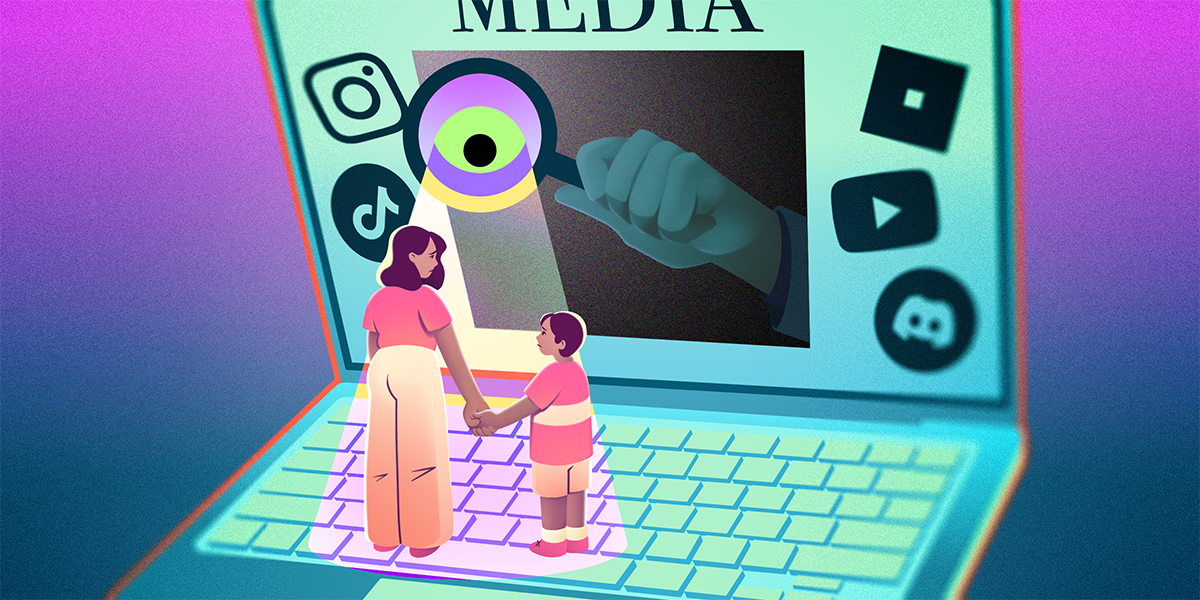
A wave of state bills aiming to restrict or ban social media for minors is advancing on the back of what digital rights groups and independent researchers call "shockingly shaky" science. Proponents frame the issue as a public health crisis, but experts argue the evidence does not support sweeping restrictions.
"The research used to justify these bans is far from settled," said Dr. Sarah Chen, a developmental psychologist at the University of California, Irvine. "We see mixed, contradictory findings that fail to show a consistent link between social media use and declining teen well-being."
The legislative push includes bills in California, Massachusetts, and Minnesota. Lawmakers in these states have cited a popular theory—popularized by social psychologist Jonathan Haidt—that smartphones have "rewired" adolescent brains. But broader meta-analyses covering dozens of countries have failed to replicate such claims.
Background
The current movement gained momentum following Haidt's bestselling book and viral essays. His narrative attributes rising teen anxiety, depression, and self-harm directly to social media. However, independent researchers at institutions like Brown University have found the evidence is "blurry" and often contradictory.
"We are seeing correlation being sold as causation," said Dr. Mark Rivera, a data scientist at Brown. "These studies frequently ignore alternative explanations, such as pandemic isolation, school gun violence, and economic stress."
The Electronic Frontier Foundation (EFF), a digital rights organization, warns that sweeping bans infringe on young people's free speech and privacy rights. "Lawmakers are rushing to regulate based on pop psychology, not robust science," said EFF policy analyst Lisa Yang.

What the Evidence Really Shows
Large-scale meta-analyses have failed to find a consistent, measurable association between social media rollout and global well-being declines. Studies that claim otherwise often exclude confounding factors.
- Pandemic-era isolation: Many mental health trends predate social media but worsened during COVID-19.
- School gun violence: Fear of shootings is a documented stressor for teens.
- Climate anxiety: Economic and environmental concerns also impact youth mental health.
"By focusing narrowly on social media, these findings overlook broader societal factors," Rivera added.
What This Means
If passed, these laws could set a precedent for restricting online speech based on contested science. Critics argue that policy should be guided by stronger evidence and alternative solutions, such as digital literacy programs and platform accountability, rather than outright bans.
"Blanket restrictions will not solve teen mental health challenges," Yang said. "We need evidence-based approaches that respect youth autonomy."
The outcome of these legislative efforts could have lasting implications for how governments regulate digital spaces. Lawmakers are urged to wait for more rigorous research before enacting such sweeping measures.