Understanding HEIC and Its Prevalence
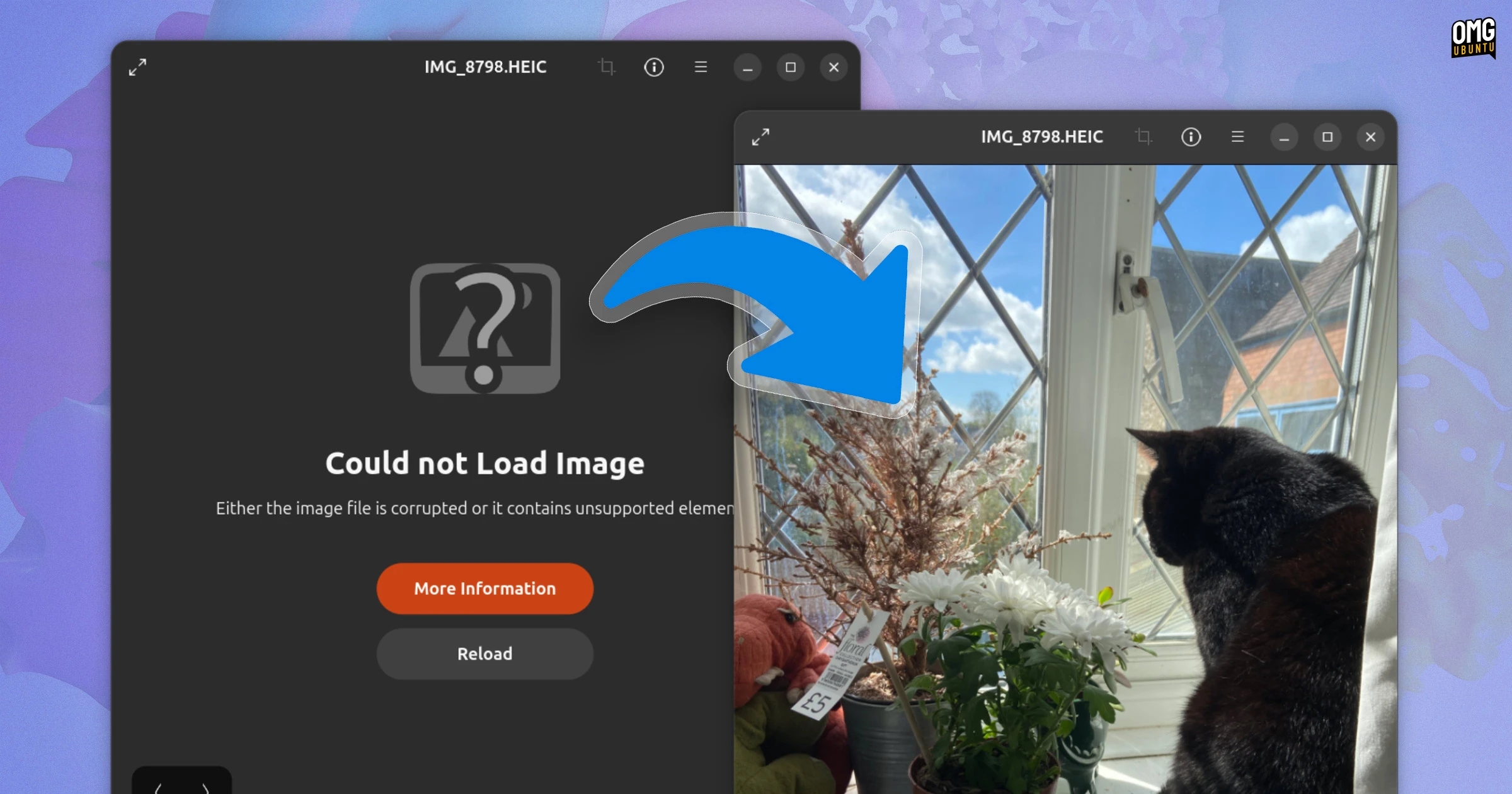
If you've recently connected your iPhone or an Android device to a computer running Ubuntu 26.04 LTS, you might have encountered a frustrating error: "Could not load image" when trying to view HEIC photos in the default Image Viewer. This issue is not a bug but an intentional change in the operating system, though it is straightforward to resolve. HEIC files, which stand for High Efficiency Image Container, are a variant of the HEIF (High Efficiency Image File Format) standard. They leverage H.265/HEVC compression to store high-quality images in a smaller file size compared to older formats like JPEG. Apple's iOS and many modern Android devices use HEIC as the default format for photos captured with the stock camera app, making it a common file type for users who transfer images to their computers.

Why Ubuntu 26.04 LTS Dropped Support
In previous releases of Ubuntu, a decoder library for HEIC was preinstalled, allowing seamless viewing of these images. However, in Ubuntu 26.04 LTS, Canonical adjusted dependency chains to ensure that this library is no longer pulled in automatically. This decision stems from licensing complexities surrounding H.265/HEVC, which is encumbered by patents. By removing the default decoder, Ubuntu avoids potential legal issues while still offering users the option to install it manually. The result is that when you attempt to open a HEIC image, the Image Viewer (GNOME's EO) returns a "Could not load image" message because the necessary codec is absent.
Fixing the "Could not load image" Error
The solution is to install the required decoder library, which is available in the Ubuntu repositories. Below are step-by-step instructions to restore HEIC support on your system.
Installing the Required Decoder Library
To view HEIC images, you need the libheif package along with the GNOME thumbnailer integration. Open a terminal and run:
sudo apt update
sudo apt install libheif1 heif-thumbnailer heif-gdk-pixbuf
This installs the core decoding library (libheif1), a thumbnailer that generates previews in file managers, and a GDK pixbuf loader that allows the Image Viewer and other GTK-based applications to read HEIC files. After the installation completes, restart the Image Viewer or log out and back in to ensure the changes take effect.
Verifying the Installation
Once the libraries are installed, try opening a HEIC image again. The "Could not load image" error should be replaced with the actual photo. You can also test by opening the Terminal and running:
heif-info your_image.heicIf the command returns metadata without errors, the decoder is working correctly. Additionally, check that thumbnails appear in the file manager (e.g., Nautilus) by navigating to a folder containing HEIC files.
Alternative Solutions
If you prefer not to install the decoder library, you can convert HEIC files to a more widely supported format like JPEG using command-line tools. First, install ImageMagick:
sudo apt install imagemagickThen convert a single file:
convert input.heic output.jpgFor batch conversion, use a loop:
for i in *.heic; do convert "$i" "${i%.heic}.jpg"; doneAlternatively, consider using a different image viewer that has built-in HEIC support, such as Geeqie or gThumb, though these may also require the underlying libraries to function correctly.
Preventing Future Issues
To avoid similar problems with other HEIC-based applications, keep your system updated and check for any new dependencies that may be required after major upgrades. You can also install the libheif-examples package for additional tools like heif-enc and heif-dec, which provide more control over encoding and decoding.
Conclusion
The intentional removal of HEIC support in Ubuntu 26.04 LTS may be an inconvenience, but it is a minor one. By installing the libheif package and its associated plugins, you can restore full compatibility with HEIC images from your smartphone. The process is quick, requires no advanced technical knowledge, and ensures that your workflow remains uninterrupted. If you encounter any issues, the vast Ubuntu community is always ready to help in forums and documentation. Happy viewing!