Introduction
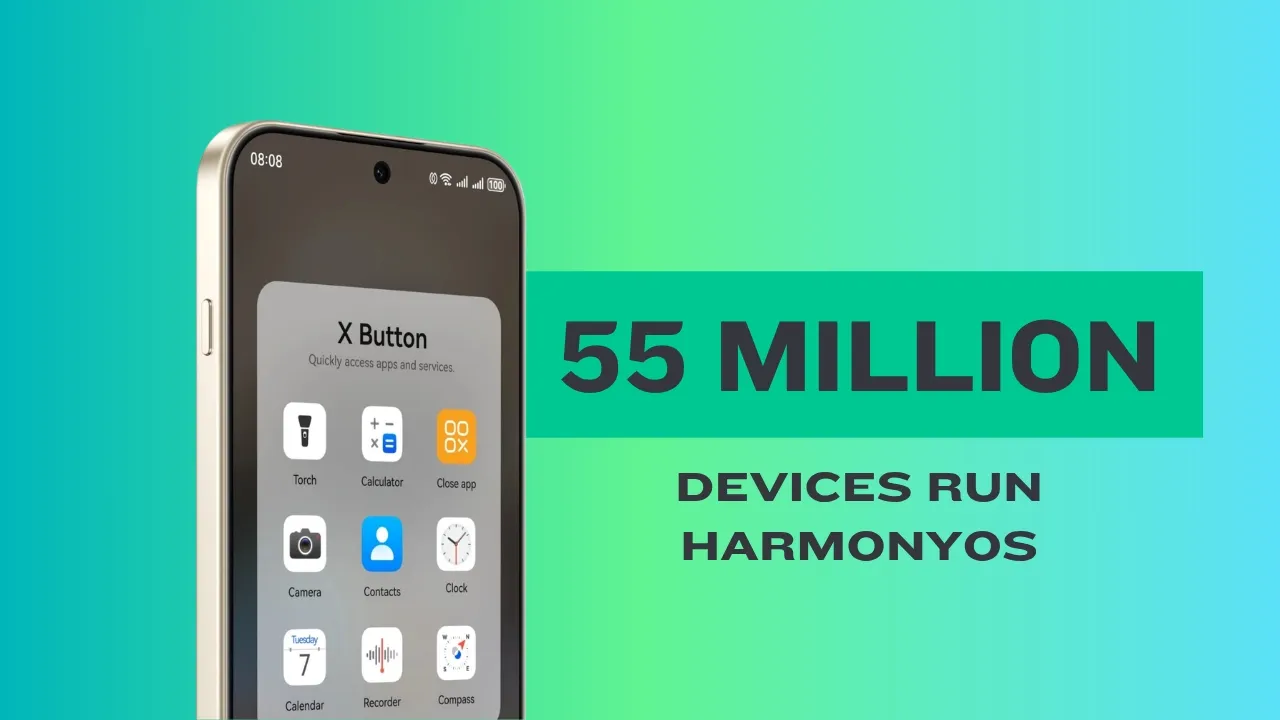
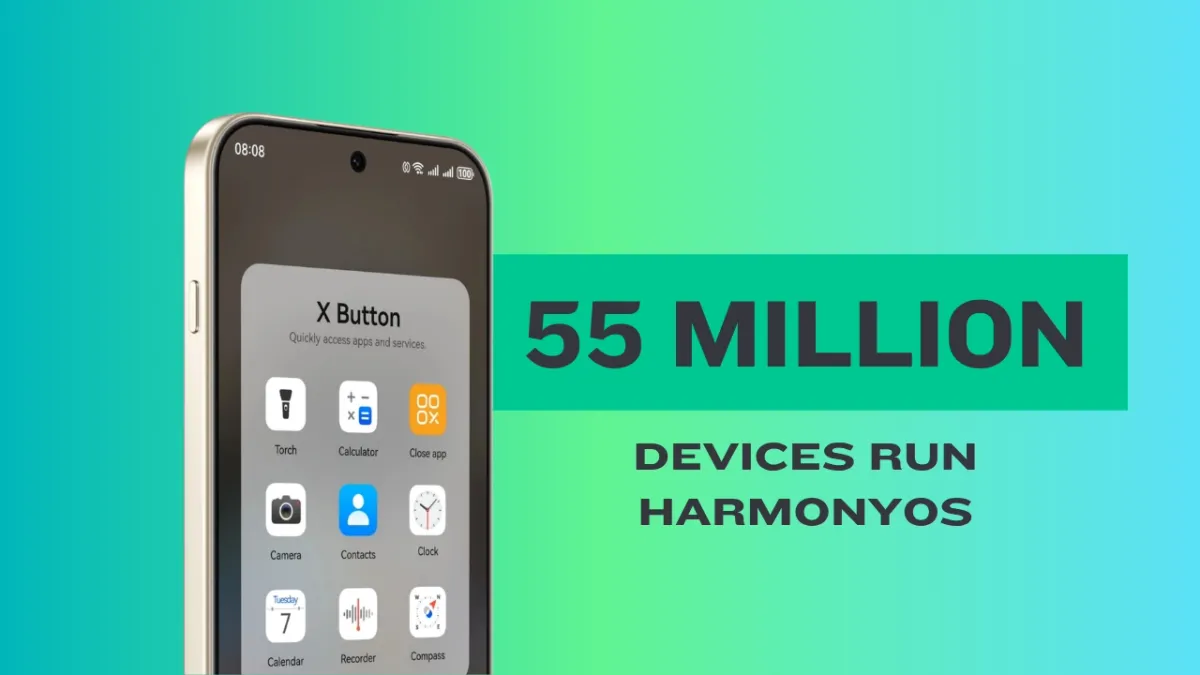
In the fiercely competitive personal tech market, Huawei has emerged as a formidable Chinese contender, challenging the long-standing dominance of Apple and Google. The company's latest milestone underscores its rapid ascent: HarmonyOS, its open-source operating system, now powers over 55 million devices as of the end of March 2026—a leap of 23 million units in less than six months. This growth mirrors a broader trend in China, where domestic software like operating systems and databases are gaining traction due to improved usability and performance.
Key Features Driving HarmonyOS Adoption
HarmonyOS owes its popularity to a suite of enhancements introduced in its latest version, HarmonyOS 6. These improvements make it a compelling alternative to established platforms. Key features include:
- Fluid animations: Lighting and glass-like UI elements create a smooth, responsive feel.
- Ark engine performance: The Ark engine handles multimedia and graphics, notably boosting gaming and video experiences while improving battery life.
- AI-powered tools: Advanced scheduling and camera features—such as one-touch depth and focus adjustments—simplify daily tasks.
- StarShield Security Architecture: An AI-driven system that enhances privacy and includes anti-scam protections.
- Wider native app support: Third-party apps are increasingly adapted for HarmonyOS.
- Affordable device range: Huawei offers a growing lineup of budget-friendly yet feature-rich devices.
These elements collectively make HarmonyOS a strong competitor in the mobile OS arena. For a deeper look at the performance improvements, see the Ark Engine subsection below.
Ark Engine: A Performance Booster
The Ark engine is central to HarmonyOS's speed and efficiency. By optimizing multimedia and graphics processing, it delivers smoother animations and extended battery life, particularly noticeable in gaming and video playback.
Impact on the Open Source Community
HarmonyOS is built on OpenHarmony, an open-source mobile operating system base similar to Android's AOSP but independent from it. This mass adoption has spurred contributions to the OpenHarmony kernel and related projects like EulerOS. However, the ecosystem isn't fully open. HarmonyOS relies on proprietary layers, including the Ark compiler and UI elements, and its Chinese-language documentation limits global accessibility.
Controversy has also arisen. Huawei has been accused of spamming open-source projects to encourage adoption of HarmonyOS. Critics view this as intrusive, while others see it as a necessary strategy to attract apps and services. This tension reflects the delicate balance between fostering an open ecosystem and maintaining competitive advantage.
A New Challenger in the Mobile OS Duopoly
The rise of HarmonyOS introduces a viable third option in a market long dominated by Apple's iOS and Google's Android. This is good news for consumers, especially those seeking affordable devices, as it keeps all players on their toes. The 55-million-device benchmark demonstrates that there is ample room beyond the iOS-Android duopoly, particularly in markets where Huawei has strong brand presence.
Conclusion
Huawei's HarmonyOS has achieved remarkable growth, driven by a combination of technical innovation, strategic affordability, and a push for open-source community involvement. While challenges remain—especially regarding openness and documentation—the milestone signals a shifting landscape. As competition heats up, consumers stand to benefit from more choices and better features. Whether HarmonyOS can sustain its momentum and truly challenge the duopoly remains to be seen, but its trajectory is undeniably impressive.