Introduction: Why Winter Exposes Home Energy Weak Spots
For many Australian households, winter is the season when energy bills spike and comfort suffers. The cold reveals cracks in our homes—literally and figuratively. From draughty rentals and inefficient heaters to sky-high tariffs and long commutes in gas-guzzling cars, the challenges are all too familiar. But this winter offers a unique chance to reboot your energy strategy. By installing a small power station—like a rooftop solar system paired with a battery—and closely examining your bills, you can turn seasonal stress into long-term savings and resilience. This article explores the key weak points and provides actionable solutions to keep you warm and your wallet happy.
Leaky Rentals: Sealing Drafts and Improving Efficiency
Common Problem Areas in Australian Homes
Many older Australian homes, especially rentals, suffer from poor insulation and air leaks. Windows, doors, and ceilings are typical culprits. In winter, these gaps let warm air escape and cold air seep in, forcing heaters to work overtime. This not only increases energy consumption but also drives up costs—often passed directly to tenants on market tariffs.
Simple Fixes for Renters and Homeowners
You don’t need major renovations to make a difference. Draught stoppers for doors, window seal kits, and insulating curtains can be installed for a few hundred dollars. For homeowners, consider retrofitting ceiling insulation or upgrading to double glazing. These improvements reduce heating demand by up to 30%, as noted by energy efficiency agencies. Even renters can request landlords to address major leaks—many states now have minimum energy efficiency standards for rentals.
Link to related section: How to Interrogate Your Bills
Upgrading to Efficient Heating Systems
The Cost of Running Old Heaters
Reverse-cycle air conditioners and electric fan heaters are common, but older models can be energy hogs. Portable electric heaters may cost as little as $50 upfront but can add hundreds to your bill over a season. In contrast, modern split-system heat pumps are up to 400% efficient, meaning they produce 4 units of heat for every unit of electricity used. If your home has gas ducted heating, consider switching to a heat pump—especially if you also install solar panels.
Choosing the Right Heater for Your Home
Size matters. An oversized heater cycles on and off frequently, wasting energy; an undersized one runs constantly. Get a professional assessment or use online calculators. For well-insulated homes, a small split system may suffice. For larger spaces, consider a multi-split or ducted heat pump. Always check the energy rating label—aim for at least 7 stars for maximum efficiency.
Understanding and Beating Expensive Electricity Tariffs
Why Tariffs Spike in Winter
In many states, winter tariffs are higher due to peak demand from heating. Time-of-use tariffs charge more during peak hours (typically late afternoon to evening). If your heater runs during these times, your bills inflate rapidly. Additionally, some retailers apply fixed daily supply charges that don’t vary with usage, making it even harder to cut costs without reducing consumption.
Strategies to Lower Your Bill
- Shift usage to off-peak times: Run your dishwasher, washing machine, or heater pre-warm cycles overnight if you have a smart meter.
- Compare retailers: Use government comparison sites to find plans with lower peak rates or no supply charge.
- Invest in a battery: Store solar energy during the day and use it in the evening to avoid peak prices. This is where a “small power station” really pays off.
For a deep dive: Installing a Small Power Station
Reducing Transport Energy Costs in Winter
Electric Vehicles as a Home Battery
Long car commutes are a hidden energy drain. Petrol prices fluctuate, and in winter, traffic congestion often worsens, lowering fuel efficiency. Switching to an electric vehicle (EV) can cut transport energy costs by 50-70%. Moreover, many modern EVs allow vehicle-to-home (V2H) technology, effectively turning your car into a mobile battery. Charge it at home during sunny hours and use that stored energy to power your home at night—this integrates perfectly with a solar + battery setup.
Charging Smart
If you’re not ready for an EV, optimise your existing commute: maintain proper tyre pressure, avoid aggressive driving, and carpool when possible. For those with a home solar system, install an EV charger that schedules charging when solar generation peaks. This minimises reliance on grid electricity, especially during winter’s shorter days.
Installing a Small Power Station: Solar + Battery Solutions
What Is a Small Power Station?
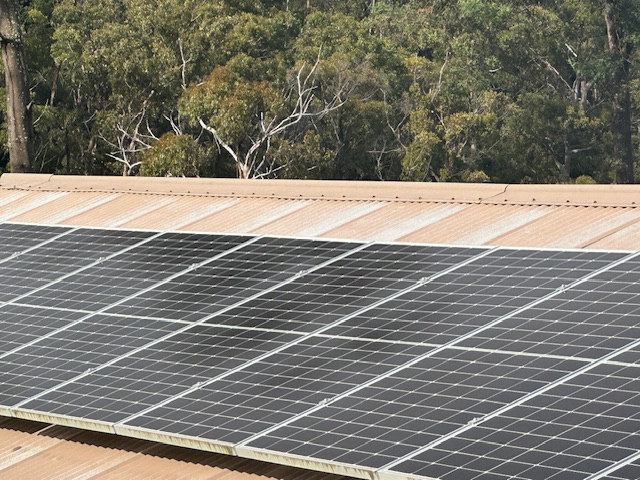
The term “small power station” typically refers to a combination of rooftop solar panels (5–10 kW) and a home battery (5–15 kWh). This setup generates electricity during the day, stores excess for evening use, and can even provide backup during blackouts. In winter, when days are shorter, a battery ensures you can still run heaters and lights after sunset without drawing from the grid.
Key Benefits
- Lower bills: Eliminate or reduce your daily electricity usage from the grid.
- Energy independence: Protect yourself from future tariff hikes.
- Environmental impact: Cut your carbon footprint significantly.
- Backup power: Keep essentials running during winter storms or outages.
Installation Considerations
Choose a reputable installer, check solar panel efficiency in cold weather (they actually perform better in cool temperatures), and ensure your roof faces north or west for maximum winter sun. Battery chemistry (lithium iron phosphate is safest) and size should match your usage. The federal government offers Small-scale Technology Certificates (STCs) and some states provide battery rebates, reducing upfront costs.
Related: How to Interrogate Your Bills to see if you’re overpaying.
How to Interrogate Your Energy Bills
Reading Between the Lines
Your electricity bill contains crucial data: total kWh used, peak/off-peak consumption, supply charges, and any feed-in tariffs for solar exports. Start by identifying what you pay per kWh during each time period. Many people are shocked to discover they are on the most expensive tariff because they never switched plans.
Steps to Audit Your Bill
- Compare your usage patterns to the tariff structure. Do you use most power in peak times? If yes, a time-of-use plan is likely costly; consider a flat-rate plan or install a battery to shift load.
- Check for hidden fees: Late payment fees, paper bill charges, and demand charges (rare in residential but increasing).
- Use online tools: Many retailers provide usage graphs. If not, manually track meter readings for a week—especially during cold snaps—to see when your heater runs most.
- Request a bill review: Call your provider and ask about better plans. Often they can place you on a cheaper tariff without switching companies.
- Consider solar and battery: As detailed above, on-site generation eliminates grid consumption during sunny hours and shifts your usage away from peak.
Conclusion: A Warm Winter with Smart Energy Choices
Winter doesn’t have to mean sky-high bills and uncomfortable homes. By addressing leaky rentals, upgrading heating, understanding tariffs, reducing transport costs, and especially by installing a small power station with solar and battery, you can transform the season into an opportunity for energy independence. The first step is simple: interrogate your bills and identify where your money goes. Then take one action at a time—start with draught seals, then a heat pump, and eventually a solar battery system. Australia’s winter may be cold, but your energy future can be bright and warm.